Welcome to the world of real estate, where your dream of finding a perfect home meets endless possibilities. In today’s dynamic market, the quest for a new home near you has never been more exciting. With a blend of cutting-edge technology, innovative design, and strategic locations, you’re just a step away from discovering the property that speaks to your heart.
Imagine stepping into a home that’s not just a place to live, but a sanctuary tailored to your lifestyle. As economic factors reshape the landscape of new home prices, understanding market trends becomes crucial. Let us be your guide in navigating the vibrant avenues of urban and suburban spaces, ensuring that your journey to homeownership is as inspiring as the view from your future doorstep.
Exploring the Current Real Estate Market Trends
The real estate market is a dynamic landscape shaped by numerous factors that influence both buyers and sellers. In today’s world, understanding these trends is essential for anyone looking to buy a new home.
As we delve deeper into the market, it’s important to consider how economic variables, evolving technologies, and shifting demographics play pivotal roles in shaping the housing sector.
The Impact of Economic Factors on New Home Prices
Current economic conditions have a pronounced effect on home prices. Interest rates, inflation, and employment rates are key indicators that potential buyers and investors keep a close watch on. Recent interest rate hikes, for instance, have led to higher mortgage rates, which can dampen buying enthusiasm. However, a strong job market can counterbalance this effect, keeping demand relatively stable.
Overview of the Current Demand for New Homes
Despite economic challenges, the demand for new homes remains robust, driven by a combination of low inventory and high consumer interest. People are increasingly seeking homes that offer modern amenities and sustainable building practices. As urban centers continue to grow, maintaining this demand has become a priority for developers.
Availability of New Homes in Urban vs. Suburban Areas
The availability of new homes varies significantly between urban and suburban areas, often influenced by zoning laws and land availability. Here’s a comparison of the two:
| Factor | Urban Areas | Suburban Areas |
|---|---|---|
| Land Availability | Limited | More Available |
| Price Points | Higher | Moderate |
| Community Amenities | Extensive | Growing |
The Role of Technology in Real Estate Market Analysis
Technology is revolutionizing how we analyze the real estate market. Data analytics, AI, and virtual reality are not just buzzwords; they are transforming the way properties are bought and sold. Homebuyers now have access to real-time market data and virtual tours, making the home-buying process more transparent and efficient. As technology continues to evolve, it promises even greater precision in predicting market trends and consumer needs.
“In the realm of real estate, technology is not just a tool; it’s the key to unlocking new possibilities.”
Identifying the Best Locations for New Homes Near You
Choosing the right location for your new home is as critical as selecting the house itself. The right neighborhood can enhance your lifestyle, provide convenience, and even increase your property value over time.
It’s essential to know what makes a location ideal for new homes, ensuring a perfect balance of modern amenities, accessibility, and future growth potential.
Criteria for Selecting a Prime Location
When searching for the best location to build or buy your new home, consider factors such as proximity to work, school districts, and public transport access. Safety is paramount; check local crime rates and community initiatives. Don’t forget to assess the long-term viability of the area, looking into scheduled infrastructure projects or commercial developments.
Evaluating Neighborhood Amenities and Services
A vibrant neighborhood will offer a wide range of amenities and services. Evaluate the availability of parks, recreational facilities, and shopping centers. Access to quality healthcare facilities and schools can significantly affect your choice. One helpful method is taking a community tour or engaging with local residents to gather insights about daily living in the area.
List of Up-and-Coming Areas for New Home Development
Staying ahead of real estate trends involves identifying neighborhoods that are on the verge of growth. Here are some areas to watch:
- Greenfield Heights – Known for its eco-friendly projects and tech industry boom.
- Lakeside Crest – Offers serene landscapes with recent commercial investments.
- Urban Oasis – A mix of urban flair and suburban comfort, with excellent transport links.
- Riverside Park – Emerging as a cultural hotspot with affordable housing options.
Location Factors Affecting New Home Prices
Understanding how different factors influence home prices can guide your decision-making process. Here’s a quick comparison:
| Factor | Impact on Price |
|---|---|
| School District Quality | High |
| Proximity to Public Transport | Moderate |
| Local Crime Rates | High |
| Future Development Plans | Varies |
| Access to Amenities | Moderate |
“Location is not just geography, it’s the canvas of your life.”
Financing Options for Buying New Homes
Diving into the realm of homeownership can be both exhilarating and daunting. Understanding your financing options is essential to ensure a smooth journey to your dream property.
Let’s explore the various pathways available for securing the funds you need to make your new home a reality.
Understanding Mortgage Options for New Home Buyers
When it comes to purchasing a new home, choosing the right mortgage is crucial. There are several types of mortgages available, each with its own benefits and drawbacks. Here’s a brief overview:
- Fixed-Rate Mortgages: Offer stability with a consistent interest rate throughout the loan term.
- Adjustable-Rate Mortgages (ARMs): Typically start with lower rates that can adjust over time based on market conditions.
- FHA Loans: Backed by the Federal Housing Administration, these are ideal for buyers with lower credit scores or smaller down payments.
- VA Loans: Designed for veterans and their families, these loans often require no down payment.
The Advantages of Mortgage Pre-Approval
Getting pre-approved for a mortgage can significantly enhance your home buying process. Here are some compelling reasons why:
“Pre-approval gives you a realistic picture of what you can afford, helping you focus your search on homes within your budget.”
Additionally, it signals to sellers that you are a serious buyer, which can give you a competitive edge in a hot market.
Comparing Interest Rates from Different Lenders
Interest rates can vary significantly between lenders, impacting the overall cost of your mortgage. Here’s a comparison table to illustrate potential differences:
| Lender | Interest Rate | Loan Term |
|---|---|---|
| Bank A | 3.25% | 30 years |
| Bank B | 3.50% | 30 years |
| Credit Union C | 3.10% | 15 years |
Remember, while a lower interest rate might seem appealing, it’s important to consider other factors such as loan terms and additional fees.
Financial Assistance Programs for First-Time Buyers
If you’re a first-time homebuyer, there are numerous financial assistance programs designed to make the journey more accessible. Here are a few examples:
- Down Payment Assistance Programs: Help cover the initial costs of your down payment.
- First-Time Homebuyer Grants: Provide funds that do not need to be repaid, often aimed at low-income buyers.
- State-Specific Programs: Many states offer unique programs tailored to assist first-time buyers in their locale.
These programs can significantly reduce the financial burden and open the door to homeownership for many who might otherwise find it out of reach.
Design and Architecture Trends in New Homes
The world of home design and architecture is ever-evolving, bringing fresh ideas and innovative solutions to the forefront of new home construction. Today, homeowners are not just looking for a place to live; they are seeking a sanctuary tailored to their unique lifestyle.
As we dive into the latest trends, we’ll explore how modern design features, popular architectural styles, sustainable building practices, and smart home technologies are redefining what it means to own a home.
Innovative Design Features in Modern New Homes
Modern homes are being crafted with a keen eye for both aesthetics and functionality. Open-concept living spaces continue to dominate, allowing for a seamless flow between the kitchen, dining, and living areas. This design fosters a communal atmosphere perfect for families and entertaining. High ceilings and expansive windows are also popular, inviting natural light to flood in and create an airy, spacious environment.
Popular Architectural Styles for New Homes Today
In today’s market, a variety of architectural styles are capturing the imagination of homebuyers.
- Modern Farmhouse: A blend of traditional charm and contemporary lines.
- Mid-Century Modern: Characterized by clean lines, integration with nature, and bold, minimalistic aesthetics.
- Industrial: Famed for its raw, edgy appeal with exposed materials and an urban vibe.
These styles not only reflect personal taste but also contribute to the character of the community and the homeowner’s identity.
Sustainable Building Practices in New Home Construction
Sustainability is at the forefront of new home construction, reflecting a global shift towards eco-friendly living.
- Use of Recycled Materials: Incorporating materials like reclaimed wood and recycled metal reduces environmental impact.
- Energy-Efficient Systems: Installation of solar panels and energy-efficient appliances helps minimize energy consumption.
- Water Conservation Techniques: Rainwater harvesting systems and low-flow fixtures promote efficient water use.
These practices not only benefit the environment but can also lead to cost savings for homeowners.
Smart Home Technologies Being Integrated
Today’s new homes are increasingly equipped with cutting-edge technologies that transform them into smart homes. These technologies are designed to enhance convenience, security, and energy efficiency.
| Technology | Function |
|---|---|
| Smart Thermostats | Optimizes heating and cooling schedules for energy savings. |
| Automated Lighting | Allows remote control and scheduling of lights for convenience and ambiance. |
| Security Systems | Features such as cameras and smart locks increase home security. |
These integrations ensure that modern homes are not only comfortable but also equipped for the future, providing homeowners with peace of mind and a more connected living experience.
Navigating the Home Buying Process
Embarking on the journey to buy a new home can feel like stepping into an intricate maze. Yet, with a map in hand and the right guidance, this path can lead to the doorstep of your dream home.
Understanding the steps involved in purchasing a new home can empower you to make confident decisions, ensuring a smooth and successful transaction. Let us break down this exciting journey for you.
Steps for Closing the Deal on a New Home Purchase
Closing the deal on your new home is the exhilarating finish line of your buying journey. Below are the essential steps to ensure a successful closing:
- Final Walkthrough: Conduct this critical inspection to verify that the property is in the agreed-upon condition.
- Review Closing Documents: Meticulously review all documents, ensuring all terms are accurately reflected.
- Secure Funds: Ensure all necessary funds are available for the down payment and closing costs.
- Sign the Papers: Officially sign the documents that transfer ownership and make the property yours.
- Receive the Keys: The moment you’ve been waiting for – receiving the keys to your new home!
Organizing a Timeline of the Typical Home Buying Journey
It’s essential to have a realistic timeline when embarking on the home buying process. Here’s a typical timeline to help you plan:
- Pre-Approval (1-2 weeks): Get pre-approved for a mortgage to know your budget.
- House Hunting (3-8 weeks): Engage in the exciting exploration of potential homes.
- Offer and Negotiation (1-2 weeks): Make an offer and negotiate terms with the seller.
- Inspection and Appraisal (1-3 weeks): Conduct thorough inspections and appraise the property.
- Closing (4-6 weeks): Finalize the deal and prepare to move in.
The Roles of Real Estate Agents in Buying New Homes
Real estate agents are the guiding stars in your home buying constellation. Their roles are myriad and vital for a seamless experience:
| Role | Description |
|---|---|
| Advisor | Provide expert guidance on market trends and property values. |
| Negotiator | Skillfully negotiate terms and price on your behalf. |
| Coordinator | Coordinate with inspectors, appraisers, and other professionals. |
| Paperwork Handler | Manage the tedious paperwork and ensure all legalities are covered. |
Strategies for Negotiating the Best Deal on a New Home
Negotiation is an art form that can significantly influence the outcome of your home buying journey. Here are strategies to negotiate effectively:
- Research the Market: Knowledge is power. Understand the local market trends before making an offer.
- Be Prepared to Walk Away: Establish your limits and don’t be afraid to walk away to find better deals.
- Leverage Inspections: Use inspection results to negotiate repairs or price adjustments.
- Highlight Similar Sales: Compare recent sales to justify your offer and strengthen your position.
- Build Rapport: Establish a positive relationship with the seller to facilitate smoother negotiations.
“The key is not to prioritize what’s on your schedule, but to schedule your priorities.”
Understanding Legal Considerations in Buying New Homes
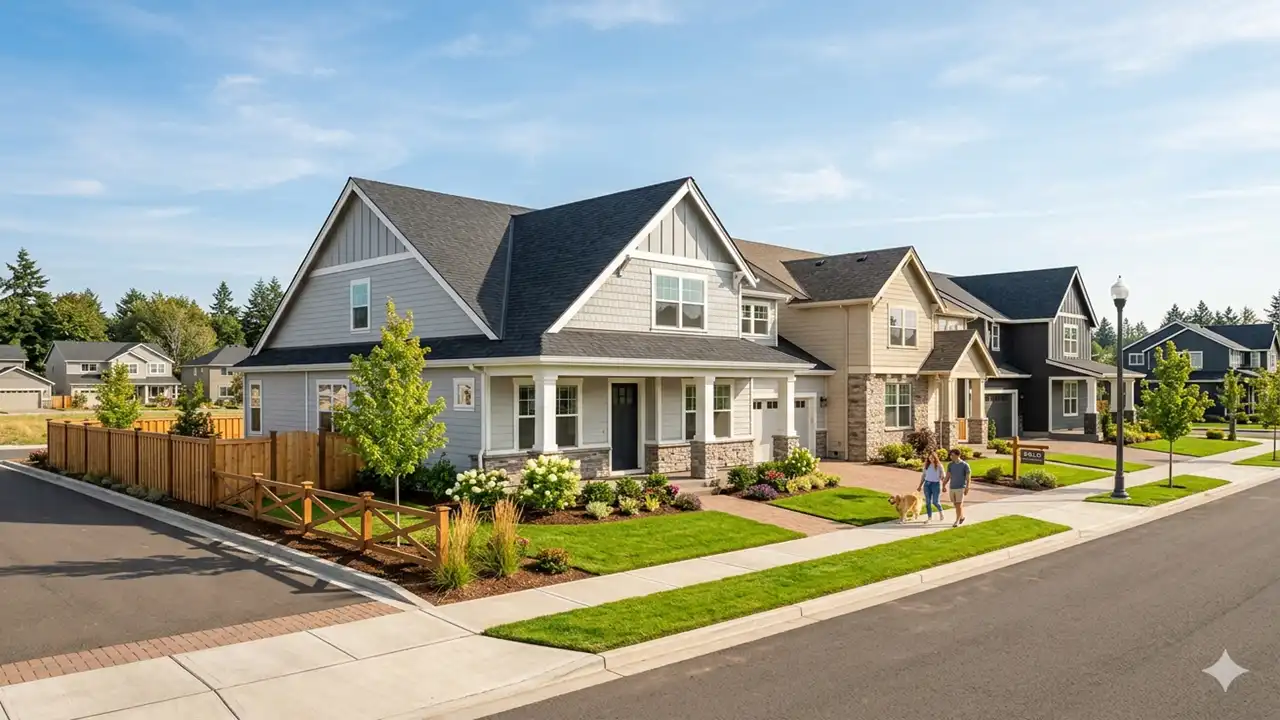
Buying a new home is an exciting journey, but it also involves navigating a maze of legal considerations. From inspections to zoning laws, each step is crucial to ensure a successful purchase.
Understanding these legal aspects not only protects your investment but also paves the way for a smoother transaction. Let’s dive into the essential legal elements you should be aware of when purchasing your dream property.
The Importance of Property Inspections
Property inspections are more than just a formality—they are your safeguard against potential pitfalls. A thorough inspection can reveal hidden issues that may not be apparent during initial viewings. Structural integrity, electrical systems, and plumbing are just a few areas that inspectors evaluate to ensure the home meets safety standards. Ignoring this step can lead to costly repairs down the line, making it a critical part of the home buying process.
The Legal Documents You Must Know
Purchasing a new home involves a myriad of documents, each playing a vital role in the transaction. Key documents include the purchase agreement, title deed, and mortgage documents. These papers require careful review to ensure all terms and conditions are agreeable. It’s wise to consult with a legal professional to help interpret these documents and confirm that your rights and interests are protected.
Zoning Laws and Their Impact
Zoning laws dictate how land can be used and developed, affecting everything from property values to expansion possibilities. Understanding the zoning regulations for your prospective new home can prevent future legal disputes or restrictions on property modifications.
It’s essential to check if the area is zoned for residential use and if there are any restrictions that could impact your lifestyle or investment potential.
Tips for a Smooth Legal Process
To ensure a seamless legal experience when buying your new home, consider these tips:
- Engage a reputable real estate attorney early in the process.
- Thoroughly review and understand every document before signing.
- Verify that all permits and zoning laws are in compliance with your plans.
- Keep a meticulous record of all communications and transactions.
By proactively addressing these legal considerations, you are not just buying a house; you are investing in peace of mind and long-term satisfaction.
Final Thoughts
As you embark on the journey to find your dream home, remember that knowledge is your greatest asset. From financing options to architectural trends, every piece of information brings you closer to the perfect match. Let this guide be your compass in the vast realm of real estate, helping you make informed decisions with confidence and creativity. Your new beginning is just around the corner, so take the leap and discover the home meant for you in today’s market!

